Kenya experiences a wide range of natural and climate-related hazards, including floods, droughts, landslides and severe weather. Effective disaster management therefore requires more than responding after an emergency has already occurred. It requires early warning, risk assessment, preparedness, appropriate equipment, trained personnel, coordinated response and recovery planning.
For organizations, businesses, schools, hospitals, construction companies, hotels, estates, humanitarian agencies and households, preparing before heavy rains, flooding or severe storms can help reduce exposure to danger and improve emergency response.
Kenya’s disaster-management framework is increasingly emphasizing this shift from reactive response toward anticipatory action, preparedness, resilience and risk-informed planning. The National Disaster Risk Management Strategy 2025–2030 identifies stronger national and county capacity, improved information systems, community resilience and mainstreaming disaster-risk management as key priorities.
This comprehensive guide explains how to prepare for El Niño rains, heavy rainfall, flash floods, storms, water emergencies and related disasters in Kenya, including the safety equipment organizations should consider having available.
What Is El Niño and Why Does It Matter for Flood Preparedness in Kenya?
El Niño is a climate pattern associated with unusually warm sea-surface temperatures in the central and eastern tropical Pacific Ocean. Its effects on rainfall vary by region and season, meaning organizations should rely on official forecasts rather than assuming that every El Niño event will produce identical conditions.
Kenya has experienced significant flooding associated with enhanced rainfall in past El Niño periods. The National Disaster Operations Centre itself traces its establishment to the severe effects of the 1997–1998 El Niño rains, which created widespread infrastructure and environmental damage and highlighted the need for coordinated national disaster management.
More recently, Kenya’s climate outlook has continued to highlight the importance of monitoring rainfall and climate risks. The Kenya Meteorological Department’s 2025 State of the Climate report identified a potential El Niño signal toward the end of 2026 and noted the possibility of enhanced October–November–December rainfall, particularly in eastern and central Kenya, while also cautioning that forecasts made far in advance carry uncertainty.
The practical lesson is simple: preparedness should begin before floodwater arrives.
Why Flood Preparedness Is Important in Kenya
Flooding can affect:
- Homes
- Businesses
- Roads
- Bridges
- Schools
- Hospitals
- Construction sites
- Warehouses
- Factories
- Farms
- Transport networks
- Power infrastructure
- Water systems
- Drainage systems
- Riverbanks
- Lakeshore communities
- Coastal areas
- Low-lying urban settlements
Kenya’s disaster-risk planning recognizes floods, landslides and other climate-related hazards as significant threats to communities, infrastructure and livelihoods. Nairobi is also exposed to increasing urban flood risks associated with drainage challenges, rapid urbanization and vulnerable settlements.
El Niño, Floods and Storms: Who Should Prepare?
Flood and storm preparedness should not be limited to government agencies.
Businesses
Businesses should have emergency plans covering:
- Employees
- Customers
- Buildings
- Equipment
- Stock
- Vehicles
- Critical documents
- Communication
- Evacuation
- Emergency supplies
Schools and Universities
Schools should prepare for:
- Student evacuation
- Heavy rainfall
- Flooded access roads
- Storm damage
- Electrical hazards
- First aid emergencies
- Emergency communication
- Temporary shelter arrangements
Hospitals and Healthcare Facilities
Healthcare facilities should consider:
- Emergency PPE
- Infection prevention supplies
- First aid
- Emergency lighting
- Water safety
- Evacuation
- Backup communication
- Flood protection
- Waste management
- Emergency response procedures
Hotels, Resorts and Swimming Pools
Hospitality facilities should consider:
- Pool rescue equipment
- Life buoys
- Emergency lighting
- First aid kits
- Rain protection
- Evacuation procedures
- Flood-response plans
- Guest communication
Construction Sites
Construction companies should prepare for:
- Heavy rain
- Excavation flooding
- Slippery surfaces
- Electrical hazards
- Falling objects
- Mud and unstable ground
- Reduced visibility
- Worker evacuation
- Emergency rescue
Industrial Facilities and Warehouses
Factories and warehouses should consider:
- Flooding of storage areas
- Electrical isolation
- Chemical exposure
- Emergency access
- Worker evacuation
- Stock protection
- Fire and first-aid preparedness
- Emergency lighting
Kenya’s Disaster Management Approach: From Reaction to Preparedness
Kenya’s current disaster-management direction increasingly emphasizes anticipatory action—using forecasts and early-warning information to trigger action before a disaster reaches its full impact.
The Kenya Anticipatory Action Roadmap 2024–2029 describes a shift toward forecast-based action, including early warning and early action, coordination, governance and financing.
The Kenya Red Cross similarly describes disaster-risk management around preparedness, mitigation, response and resilience, while its recent work highlights the importance of acting early on flood and drought warnings.
The preparedness cycle should therefore look like:
Monitor → Warn → Prepare → Protect → Evacuate → Respond → Recover → Learn → Improve
This is much stronger than waiting for flooding to occur before purchasing emergency equipment.
Kenya Flood Preparedness Checklist
Organizations should consider creating a written flood-preparedness checklist.
1. Monitor Official Weather Information
Monitor relevant information from authoritative Kenyan sources, particularly the Kenya Meteorological Department and disaster-management authorities.
Do not rely exclusively on social-media rumours.
2. Identify Flood-Prone Areas
Map:
- Rivers
- Dams
- Drainage channels
- Low-lying areas
- Flood-prone roads
- Basements
- Bridges
- Water crossings
- Lakeshores
- Coastal areas
3. Establish Emergency Contacts
Ensure employees and response teams know whom to contact during an emergency.
4. Establish Evacuation Routes
Identify:
- Primary evacuation routes
- Alternative routes
- Assembly points
- Safe higher ground
- Emergency exits
5. Protect Critical Equipment
Where possible, relocate vulnerable equipment, documents and stock away from flood-prone areas.
6. Prepare Emergency Equipment
Maintain appropriate:
- First aid kits
- PPE
- Flashlights
- Emergency lighting
- Reflective vests
- Rainwear
- Protective boots
- Rescue equipment
- Life buoys
- Communication equipment
- Warning signage
7. Train Personnel
Equipment alone does not constitute a disaster-response system.
Employees should understand:
- Emergency procedures
- Evacuation
- Reporting
- Communication
- First aid
- PPE use
- Water hazards
- When not to enter floodwater
Essential Flood Safety Equipment in Kenya
A flood-preparedness equipment inventory may include several categories.
🦺 High-Visibility Safety Vests
Reflective/high-visibility vests can help identify personnel working around roads, evacuation areas, construction zones and emergency-response locations.
🥾 Safety Gumboots
Water-resistant protective footwear can be useful for certain wet and muddy environments.
However, footwear selection should match the actual hazard, including electrical, chemical, biological and slip hazards.
🌧️ Raincoats and Waterproof Protective Clothing
Rainwear can help protect workers from exposure during outdoor operations in heavy rain.
🔦 Torches and Emergency Lighting
Power outages frequently complicate emergencies.
Emergency lighting and flashlights can support:
- Evacuation
- Search activities
- Night operations
- Inspection
- Emergency communication
🩹 First Aid Kits
First aid equipment should be readily accessible and appropriately stocked for the organization’s activities.
🛑 Safety Signs and Warning Barriers
Use appropriate warning signs, cones, barriers and caution tape to identify:
- Flooded areas
- Slippery surfaces
- Restricted zones
- Electrical hazards
- Unsafe access points
🛟 Water Rescue Equipment for Flood Emergencies
Floodwater can turn roads, drainage channels, rivers and low-lying areas into dangerous waterways.
A water-rescue preparedness plan may include:
Life Buoys / Lifebuoys
A life buoy with rescue rope provides a readily accessible flotation aid at appropriate water-safety locations.
Potential applications include:
- Flood-prone facilities
- Swimming pools
- Beaches
- Lakes
- Dams
- Rivers
- Boat landing areas
- Ferries
- Marinas
- Waterfront facilities
- Hotels and resorts
A life buoy is not a substitute for trained rescue personnel and should form part of a broader emergency-response plan.
🏖️ Beach Safety Equipment in Kenya
Kenya’s coastal tourism industry means water safety is particularly important around beaches, hotels and resorts.
Potential water-safety locations include:
- Mombasa
- Diani
- Malindi
- Watamu
- Lamu
- Coastal resorts
- Private beaches
- Boat-launch areas
Facilities should assess their individual hazards and ensure appropriate lifesaving equipment, trained personnel and emergency procedures are available.
🌊 Lake Safety in Kenya
Water-safety planning is also important around Kenya’s lakes, including areas around:
- Lake Victoria
- Lake Naivasha
- Lake Turkana
- Lake Baringo
- Other lakes and inland water bodies
Potential hazards include:
- Drowning
- Sudden weather changes
- Strong currents
- Boat accidents
- Poor visibility
- Flooding
- Unstable shorelines
Water-rescue equipment should be selected and deployed according to the particular environment and applicable requirements.
🏗️ Dam & Reservoir Safety
Dams and reservoirs present unique hazards.
Organizations operating around dams should consider:
- Restricted-access areas
- Warning signs
- Emergency communication
- Life-saving equipment
- Rescue plans
- Staff training
- Flood and overflow scenarios
- Public awareness
⛴️ Ferry & Boat Safety
Ferries, passenger boats, fishing operations and recreational vessels require specialized safety planning.
Depending on the operation, this may include:
- Approved lifesaving equipment
- Personal flotation devices
- Life buoys
- Rescue ropes
- Emergency communication
- First aid
- Fire safety equipment
- Emergency lighting
- Passenger evacuation procedures
Important: Commercial vessels and ferries should use equipment meeting the applicable maritime and regulatory requirements. A generic life buoy should not automatically be marketed as SOLAS/IMO-compliant without verified documentation.
🏊 Swimming Pool Safety in Kenya
Swimming pools should have a comprehensive water-safety plan.
This can include:
- Life buoy
- Rescue rope
- First aid kit
- Emergency telephone/contact system
- Warning signs
- Pool rules
- Trained lifeguards where required
- Emergency procedures
- Appropriate barriers and access controls
Hotels, schools, clubs, apartments and public swimming facilities should assess their specific risks and applicable regulations.
⛈️ Storm Preparedness in Kenya
Heavy storms can create hazards beyond flooding.
Storm preparedness should consider:
Strong Winds
Inspect:
- Roofs
- Signage
- Temporary structures
- Scaffolding
- Loose materials
- Outdoor equipment
Lightning
Organizations should have appropriate procedures for lightning risk, particularly for outdoor workers, schools, construction sites and sports facilities.
Heavy Rain
Inspect:
- Drainage
- Gutters
- Roofs
- Downpipes
- Flood barriers
- Emergency exits
Power Outages
Consider:
- Emergency lights
- Torches
- Backup communication
- Emergency procedures
Road Hazards
Heavy rain can reduce visibility and create slippery or flooded roads.
High-visibility clothing, warning signs and appropriate traffic-management measures can become especially important during emergency operations.
🏙️ Nairobi Flood Preparedness
Nairobi deserves particular attention because rapid urban development, drainage limitations and vulnerable areas can increase flood exposure.
Businesses and institutions should consider their specific local risks, including:
- Flood-prone roads
- Drainage channels
- Basements
- Parking areas
- Bridges
- Low-lying premises
- River corridors
- Construction sites
- Informal settlements
- Power infrastructure
A Nairobi flood-preparedness plan should include early warning, evacuation, communication, emergency supplies and protection of critical assets.
🌧️ Flood Preparedness Beyond Nairobi
Kenya’s flood risk is national rather than limited to Nairobi.
Preparedness may be particularly relevant in areas around:
- Tana River
- Western Kenya
- Lake Victoria basin
- Budalangi
- Kano Plains
- Coastal counties
- River valleys
- Urban centres
- Low-lying settlements
Recent Kenya Red Cross work in Tana River demonstrates the value of combining early-warning information, local knowledge, coordination and anticipatory action to enable communities to move to safer areas before flooding intensifies.
🚨 What to Do Before a Flood
BEFORE
- Monitor official alerts.
- Identify evacuation routes.
- Move valuables to safer locations.
- Protect electrical equipment.
- Clear drainage where safe and appropriate.
- Check emergency exits.
- Prepare first aid supplies.
- Prepare communication equipment.
- Check rescue equipment.
- Ensure emergency personnel know their responsibilities.
- Avoid unnecessary travel through flood-prone areas.
🚨 What to Do During a Flood
DURING
Do not enter moving floodwater simply because it appears shallow.
Floodwater may conceal:
- Open drains
- Manholes
- Debris
- Electrical hazards
- Contaminated water
- Deep channels
- Strong currents
Follow instructions from competent emergency authorities and move to safe locations when advised.
For trained responders, rescue operations should follow established procedures and appropriate equipment requirements.
🚨 What to Do After a Flood
AFTER
Do not immediately assume a flooded property is safe.
Assess:
- Electrical systems
- Structural damage
- Contaminated water
- Slippery surfaces
- Chemical spills
- Damaged equipment
- Structural instability
- Biological hazards
Document damage and begin controlled recovery only after appropriate safety assessments.
🦺 PPE for Flood & Disaster Response
Depending on the activity and hazard assessment, emergency personnel may require:
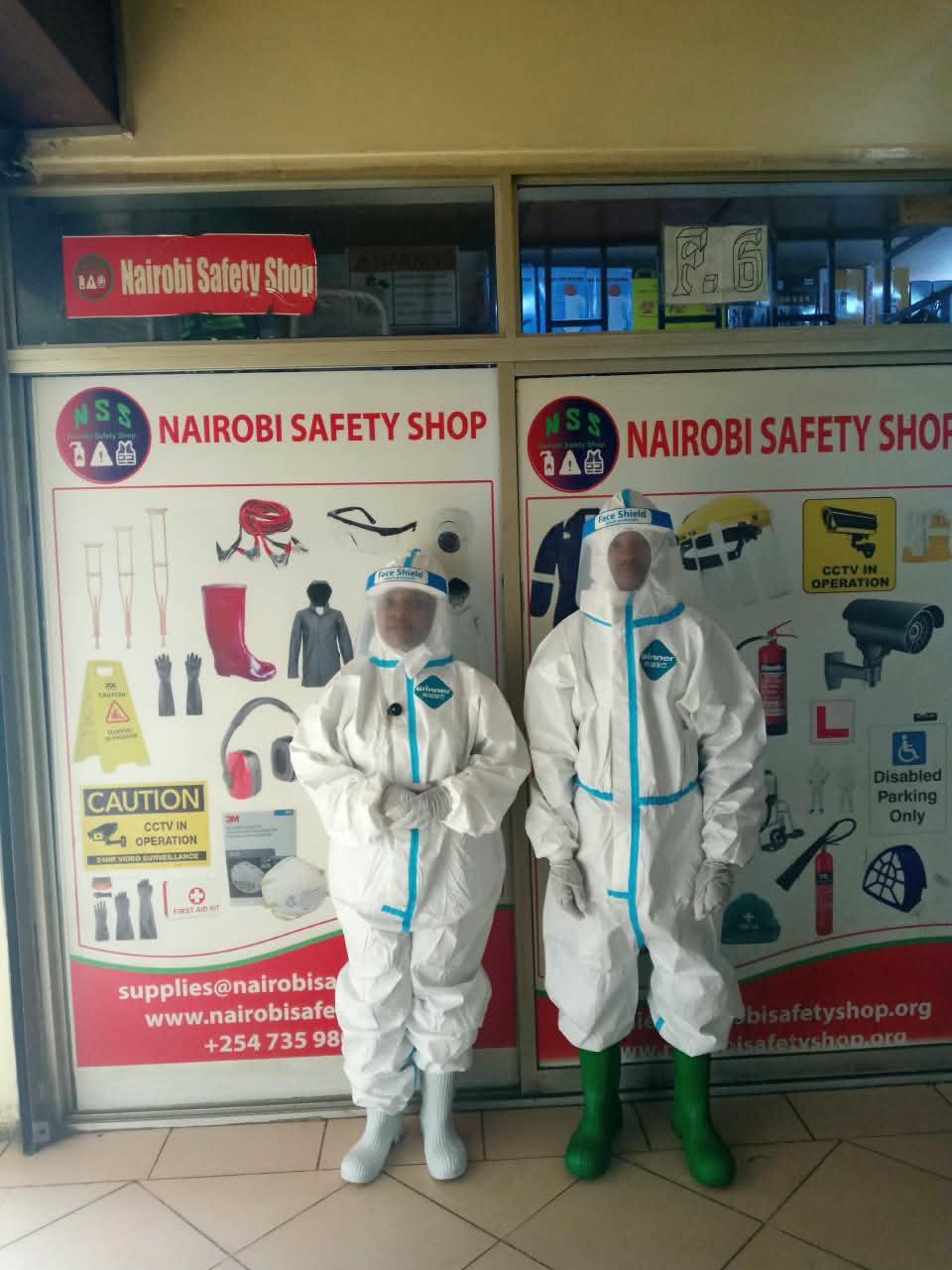
- Protective coveralls
- Safety gloves
- Chemical-resistant gloves where applicable
- Safety goggles
- Face protection
- Protective footwear
- Gumboots
- High-visibility vests
- Rain protection
- Helmets
- Respiratory protection where appropriate
- First aid equipment
PPE must be selected according to the actual hazard.
Floodwater can involve biological, chemical, electrical and physical hazards, so no single PPE item should be treated as universal protection.
🏥 Infection Prevention After Flooding
Floods can create conditions that increase sanitation and public-health challenges.
Organizations involved in cleanup and recovery should consider appropriate:
- Gloves
- Protective clothing
- Boots
- Eye protection
- Hand hygiene
- Waste-management procedures
- First aid
- Cleaning and disinfection procedures
For healthcare or infectious-disease situations, PPE selection should follow the relevant medical/infection-control requirements rather than using general flood PPE as a substitute.
🧰 Disaster Preparedness Equipment Checklist for Kenyan Organizations
Flood & Rain Preparedness
☐ Raincoats ☐ Safety gumboots ☐ High-visibility vests ☐ Flashlights ☐ Emergency lights ☐ Warning signs ☐ Caution tape ☐ Barriers/cones
Water Rescue
☐ Life buoys ☐ Rescue ropes ☐ Personal flotation devices where appropriate ☐ Appropriate water-rescue equipment ☐ Emergency communication equipment
First Aid
☐ First aid kits ☐ First aid consumables ☐ Emergency medical supplies appropriate to the setting
PPE
☐ Protective coveralls ☐ Safety gloves ☐ Goggles ☐ Face protection ☐ Protective boots ☐ Helmets ☐ Respiratory protection where required
Emergency Management
☐ Emergency contacts ☐ Evacuation plans ☐ Assembly points ☐ Emergency communication ☐ Warning systems ☐ Staff training ☐ Emergency drills ☐ Incident reporting procedures
🏢 Disaster Preparedness for Businesses in Kenya
A good business continuity plan should answer:
What happens if our building floods?
What happens if employees cannot reach the workplace?
What happens if electricity fails?
What happens if our warehouse floods?
What happens if our main road becomes impassable?
What happens if our customers need evacuation?
What happens if our communications fail?
What happens if critical equipment is damaged?
Preparedness means answering these questions before the emergency.
🏫 Disaster Preparedness for Schools in Kenya
Schools should consider:
- Rain and flood monitoring
- Emergency contacts
- Evacuation plans
- Assembly points
- First aid
- Student accountability
- Staff responsibilities
- Emergency lighting
- Warning signage
- Safe transportation
- Water hazards
- Communication with parents
Regular drills can help staff and students understand what to do during emergencies.
🏨 Disaster Preparedness for Hotels & Hospitality Facilities
Hotels, lodges and resorts should consider:
- Guest evacuation
- Flood routes
- Pool safety
- Beach safety
- Life buoys
- First aid
- Emergency lighting
- Fire safety
- Staff communication
- Emergency signage
- Backup systems
- Weather monitoring
For coastal and lakeside properties, water-rescue planning becomes particularly important.
🏭 Disaster Preparedness for Industrial Facilities
Industrial facilities should conduct risk assessments covering:
- Floodwater
- Chemicals
- Electrical systems
- Machinery
- Storage
- Workers
- Access roads
- Fire
- Emergency evacuation
- Environmental contamination
Emergency PPE should be selected based on the hazards identified.
🚧 Disaster Preparedness for Construction Sites
Construction sites are particularly exposed to changing weather conditions.
Before heavy rainfall:
- Secure loose materials.
- Inspect excavations.
- Check drainage.
- Secure scaffolding and temporary structures.
- Protect electrical installations.
- Establish emergency communication.
- Ensure workers know evacuation routes.
- Maintain appropriate PPE.
- Restrict unsafe areas.
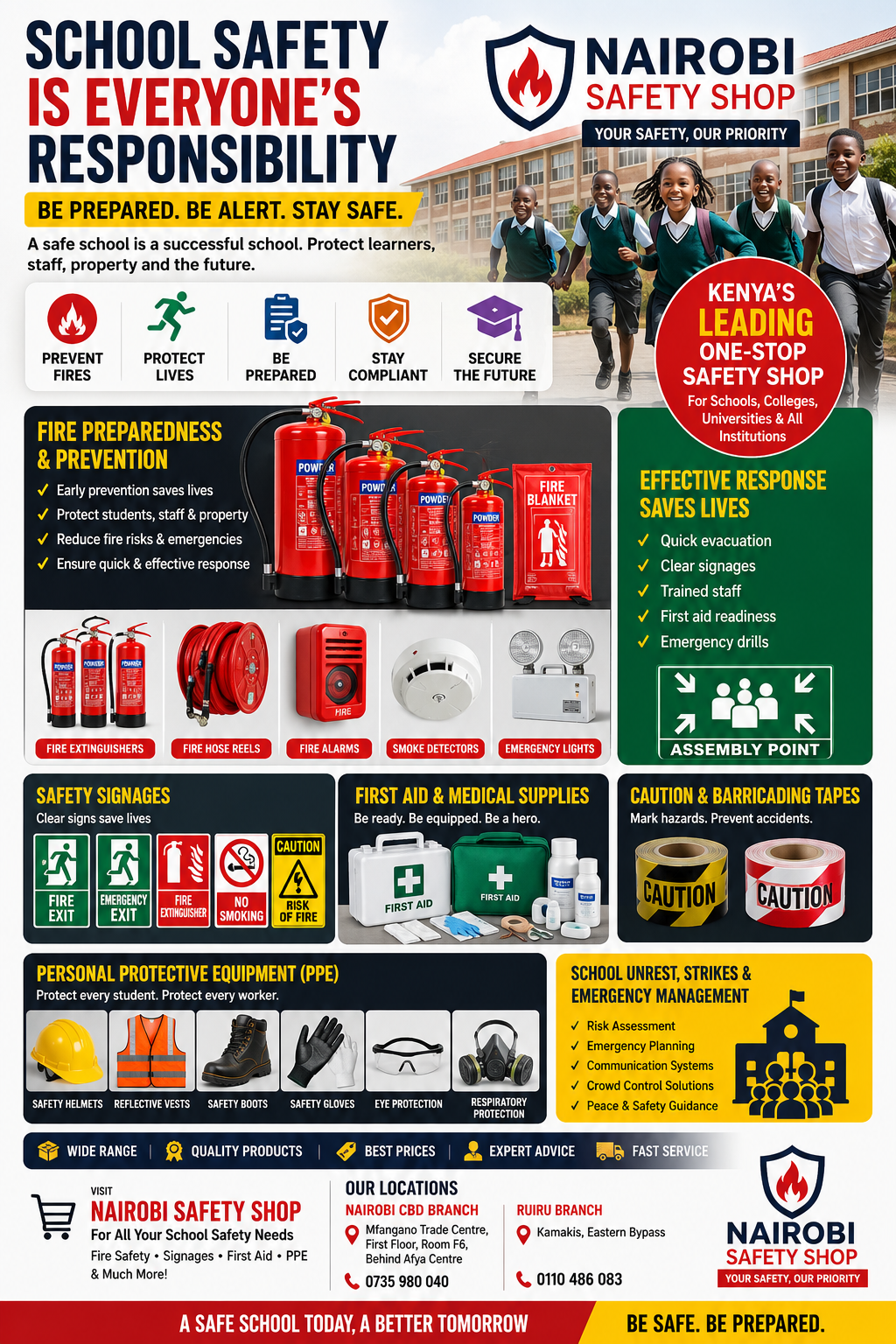
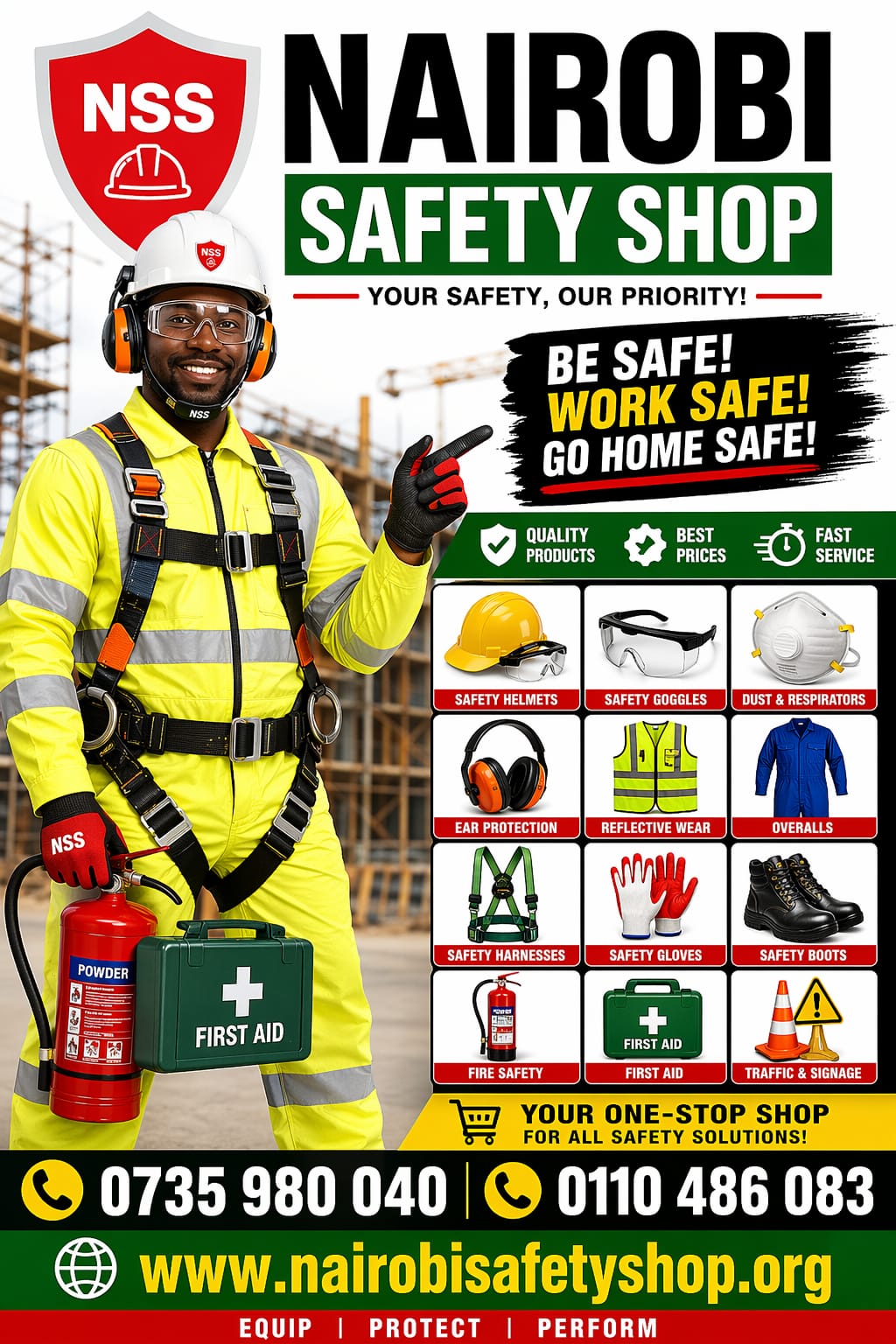
🛒 Nairobi Safety Shop: Your Kenya Safety & Emergency Preparedness Partner
provides safety, health, security and emergency-related equipment from Nairobi, Kenya.
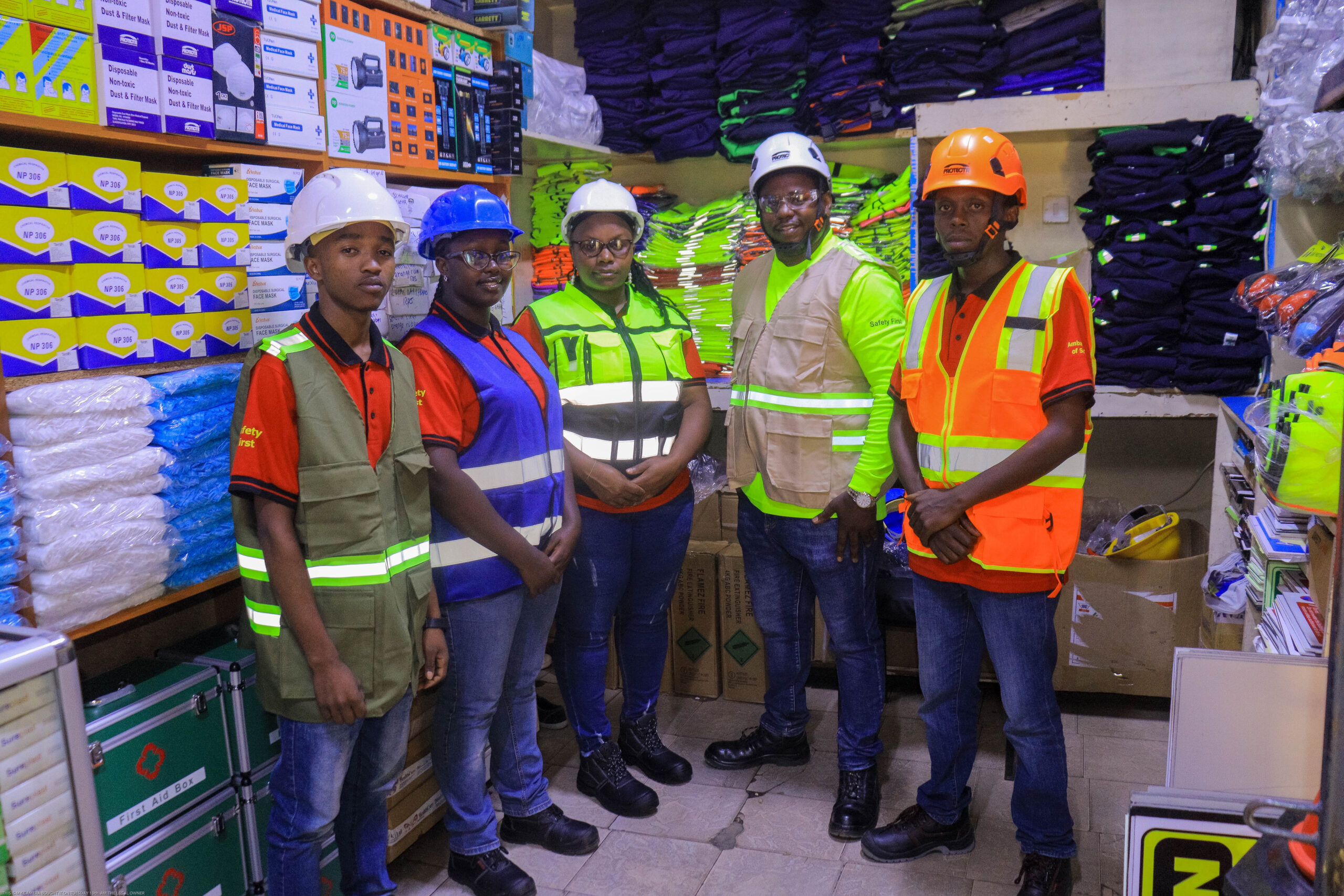
Its official website lists categories including PPE, first aid kits, safety boots, safety gloves, safety goggles, reflective vests, raincoats, safety gumboots and other safety products. The company also provides safety training covering areas including disaster preparedness, first aid, firefighting, traffic marshalling and workplace safety.
For organizations preparing for heavy rains, flooding and other emergencies, relevant product categories can include:
🌧️ Rain & Flood Protection
- Raincoats
- Safety gumboots
- Protective clothing
- Reflective vests
🛟 Water & Rescue Safety
- Life buoys
- Rescue equipment
- Water-safety products
🦺 PPE
- Safety coveralls
- Gloves
- Goggles
- Protective footwear
- High-visibility clothing
🩹 Emergency Preparedness
- First aid kits
- First aid supplies
- Emergency equipment
- Safety signs
🔦 Emergency Visibility
- Torches
- Headlamps
- Warning signs
- Reflective products
Nairobi Safety Shop also states that it provides safety audits and training, including disaster-preparedness training, which can complement an organization’s equipment procurement program.
Why Buy Flood & Emergency Safety Equipment from Nairobi Safety Shop?
Organizations looking for safety equipment in Nairobi and Kenya can use Nairobi Safety Shop as a one-stop source for a broad range of safety products.
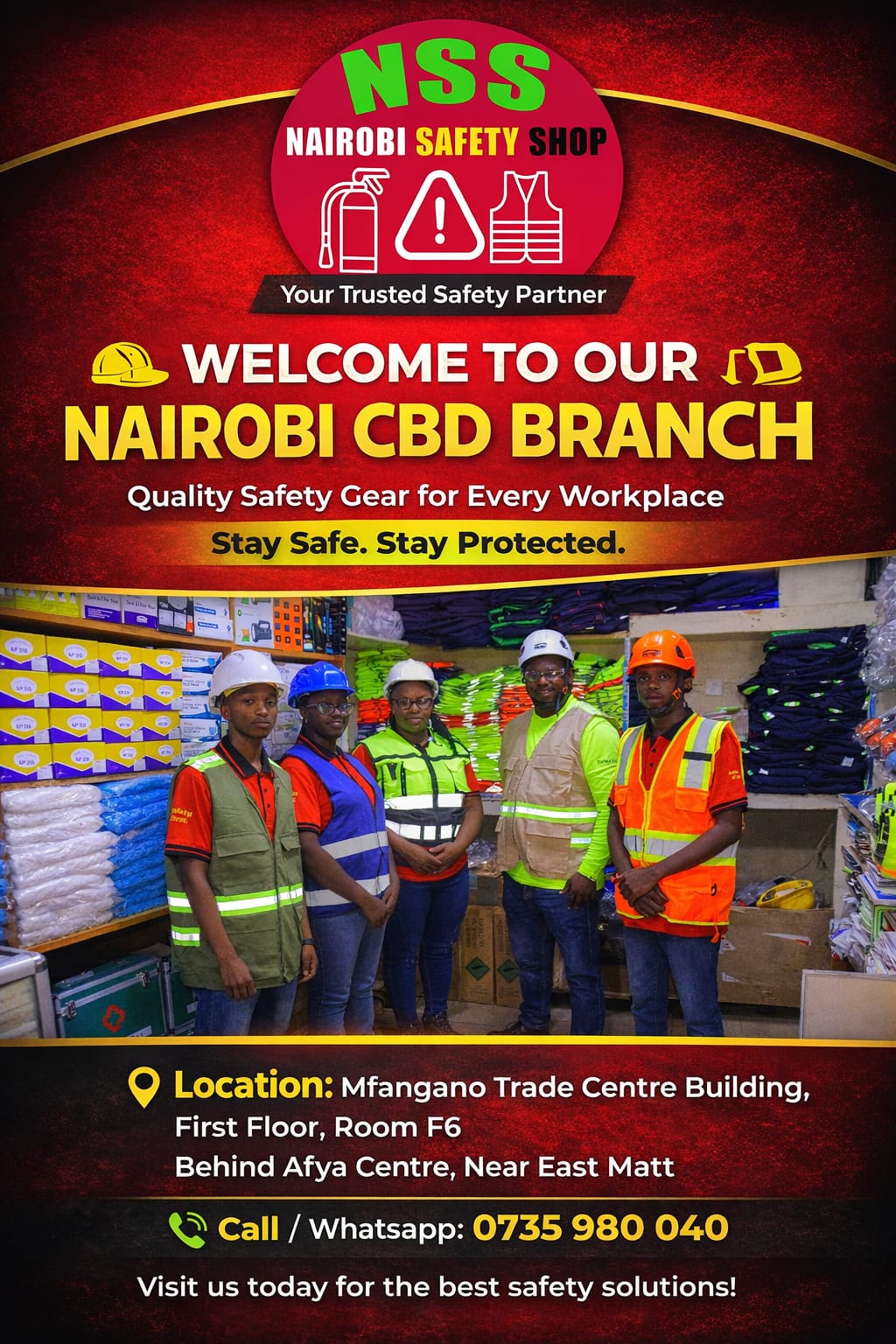
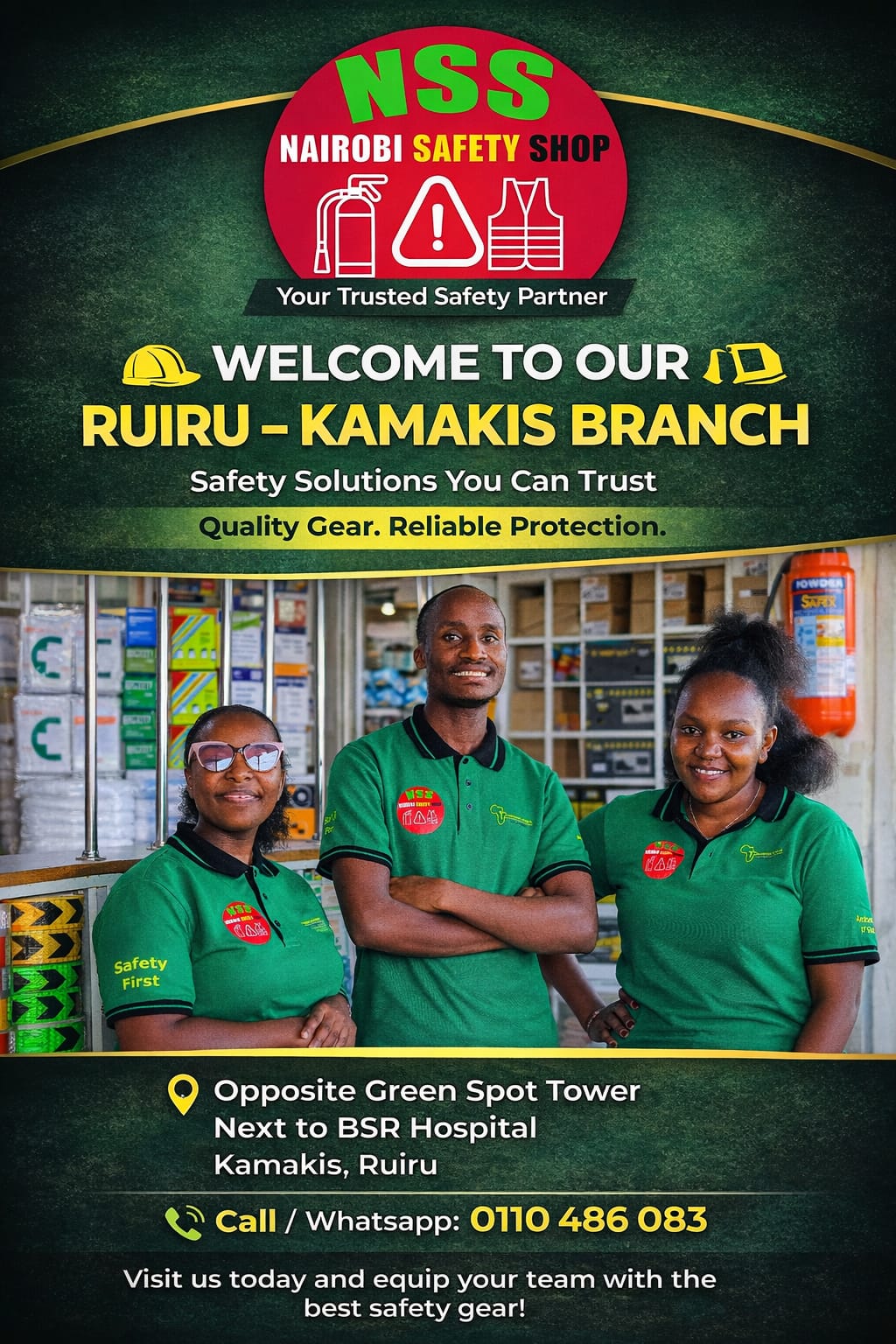
The company operates a Nairobi CBD location at Mfangano Trade Centre and a Bypass location, with online ordering and nationwide supply arrangements listed on its website.
Shop Nairobi Safety Shop online
Prepare Before the Emergency
Floods and storms can develop quickly.
The most effective disaster-management approach is not simply responding faster after disaster strikes. It is reducing risk before the disaster occurs.
That means:
Know the risk.
Monitor the warning.
Prepare the people.
Prepare the equipment.
Protect critical assets.
Plan evacuation.
Train responders.
Act early.
Kenya’s current disaster-risk framework increasingly emphasizes exactly this transition toward anticipatory action and resilience.
Frequently Asked Questions
What is the best way to prepare for El Niño rains in Kenya?
Start with official weather and disaster-risk information, identify flood hazards, prepare evacuation routes, protect critical assets, train personnel and stock appropriate emergency equipment such as first aid supplies, rain protection, high-visibility clothing, lighting, warning signs and water-rescue equipment where relevant.
Where can I buy flood safety equipment in Kenya?
Nairobi Safety Shop supplies a broad range of safety equipment in Kenya, including raincoats, gumboots, reflective vests, PPE, first aid products, safety signs and other safety equipment.
Where can I buy a life buoy in Nairobi?
Nairobi Safety Shop is a safety-equipment supplier in Nairobi. Customers should confirm current stock, dimensions, buoyancy specifications and applicable standards for their intended use before purchase.
What equipment should a swimming pool have for emergencies?
A pool safety plan may include appropriate rescue equipment such as a life buoy, rescue rope, first aid supplies, warning signage, emergency communication and trained personnel, subject to applicable requirements.
What PPE is needed for flood response?
PPE depends on the hazard. Depending on the work, personnel may require protective clothing, gloves, boots, eye/face protection, high-visibility clothing and other specialized PPE. Electrical, chemical and biological hazards require additional consideration.
Are life buoys suitable for flood rescue?
A life buoy can be part of a water-rescue system, but floodwater can be extremely dangerous. Rescue should be performed by appropriately trained personnel using equipment suitable for the specific environment and rescue scenario.
Is El Niño the same as a flood?
No. El Niño is a climate phenomenon; flooding is a hazard that can result from heavy rainfall and other factors. The relationship varies by location and season, so official forecasts should guide preparedness decisions.
How can businesses prepare for floods in Kenya?
Businesses should undertake risk assessments, monitor warnings, establish emergency plans, identify evacuation routes, protect critical equipment and documents, train workers and maintain appropriate emergency equipment.
Nairobi Safety Shop Emergency Preparedness Product Categories
For internal SEO, link this article to individual product pages under categories such as:
Raincoats → Safety Gumboots → Reflective Vests → Life Buoys → Rescue Equipment → Safety Gloves → Protective Coveralls → Safety Goggles → First Aid Kits → Emergency Lights → Flashlights → Safety Signs → Warning Barriers → PPE
This creates the topical cluster we discussed earlier:
El Niño → Floods → Storms → Disaster Management → Emergency Preparedness → Water Rescue → PPE → Nairobi Safety Shop products
That internal-link structure is much more valuable for SEO than repeatedly inserting the phrase “Nairobi Safety Shop.”
El Niño Kenya El Niño preparedness Kenya El Niño safety equipment Kenya flood preparedness Kenya flood safety Kenya flood rescue equipment Kenya flood safety equipment Nairobi heavy rains Kenya storm preparedness Kenya disaster preparedness Kenya disaster management Kenya emergency preparedness Kenya emergency equipment Kenya water rescue equipment Kenya life buoy Kenya lifebuoy Nairobi water safety equipment Kenya beach safety equipment Kenya lake safety equipment Kenya dam safety equipment Kenya boat safety equipment Kenya ferry safety equipment Kenya swimming pool safety equipment Kenya PPE supplier Kenya safety equipment supplier Nairobi Nairobi Safety Shop
- El Niño flood preparedness equipment Kenya
- El Niño emergency supplies Nairobi
- flood emergency equipment supplier Kenya
- flood rescue equipment supplier Nairobi
- water rescue equipment supplier Kenya
- life buoy with rope Kenya
- life buoy supplier Nairobi
- swimming pool life buoy Kenya
- beach rescue equipment Kenya
- lake rescue equipment Kenya
- dam safety equipment Kenya
- ferry safety equipment Kenya
- boat safety equipment Kenya
- storm preparedness equipment Kenya
- heavy rain safety equipment Nairobi
- disaster preparedness equipment Kenya
- emergency response equipment Nairobi
- flood PPE supplier Kenya
- rain protection equipment Kenya
- emergency safety equipment Nairobi
- flood preparedness supplies Kenya
- disaster management equipment Kenya
El Niño Kenya, Flood Preparedness Kenya, Flood Safety, Kenya Floods, Heavy Rains Kenya, Storm Preparedness, Disaster Management Kenya, Emergency Preparedness Kenya, Water Rescue Kenya, Life Buoy Kenya, Water Safety Kenya, PPE Kenya, Safety Equipment Nairobi, Nairobi Safety Shop, Emergency Response Kenya, Disaster Risk Reduction Kenya
Flood Safety in Nairobi
El Niño Preparedness for Kenyan Businesses
Storm Safety for Construction Sites
Flood Preparedness for Schools
Flood Preparedness for Hotels
Water Rescue & Drowning Prevention in Kenya
Life Buoy & Lifebuoy Buying Guide Kenya
Emergency PPE for Disaster Response
First Aid & Emergency Preparedness Guide
Rain Protection & Wet Weather PPE Guide
↓
Product pages
Life Buoy
Disposable Coverall
Raincoat
Safety Gumboots
Reflective Vest
First Aid Kit
Safety Gloves
Safety Goggles
Emergency Torch
Safety Signs
Nairobi Safety Shop and disaster preparedness in Kenya.
Please Follow upades:
- Kenya Meteorological Department forecast
- El Niño/La Niña outlook
- Long-rains outlook
- Short-rains outlook
- NDOC disaster alert
- National DRM update
- Flood preparedness campaign
- Kenya Red Cross preparedness initiative
That is especially valuable because Kenya’s disaster-management landscape is currently evolving: the 2025–2030 DRM Strategy, the 2024–2029 Anticipatory Action Roadmap and the 2026 Disaster Risk Management Act all reinforce the country’s move toward early warning, anticipatory action, coordinated preparedness and resilience.
Kenya Red Cross is currently preparing for the OND 2026/27 El Niño season, with its October–December 2026 initiative explicitly focused on disaster preparedness and emergency response.