How the Modern Safety Professional Must Evolve, Adapt and Lead in an Era of Rapid Global Transformation
The world of work is changing faster than many organisations can track. Extreme weather is rewriting environmental risk. Artificial intelligence is transforming every profession. Mental health is no longer a “soft” discussion—it’s a strategic priority. Public tolerance is shrinking. Workforces are exhausted. Technology is accelerating. Compliance demands are rising. And a new generation of safety professionals is stepping into shoes once worn by giants who are now retiring.
The health and safety profession is entering a new era—defined by change, innovation, disruption and immense opportunity.
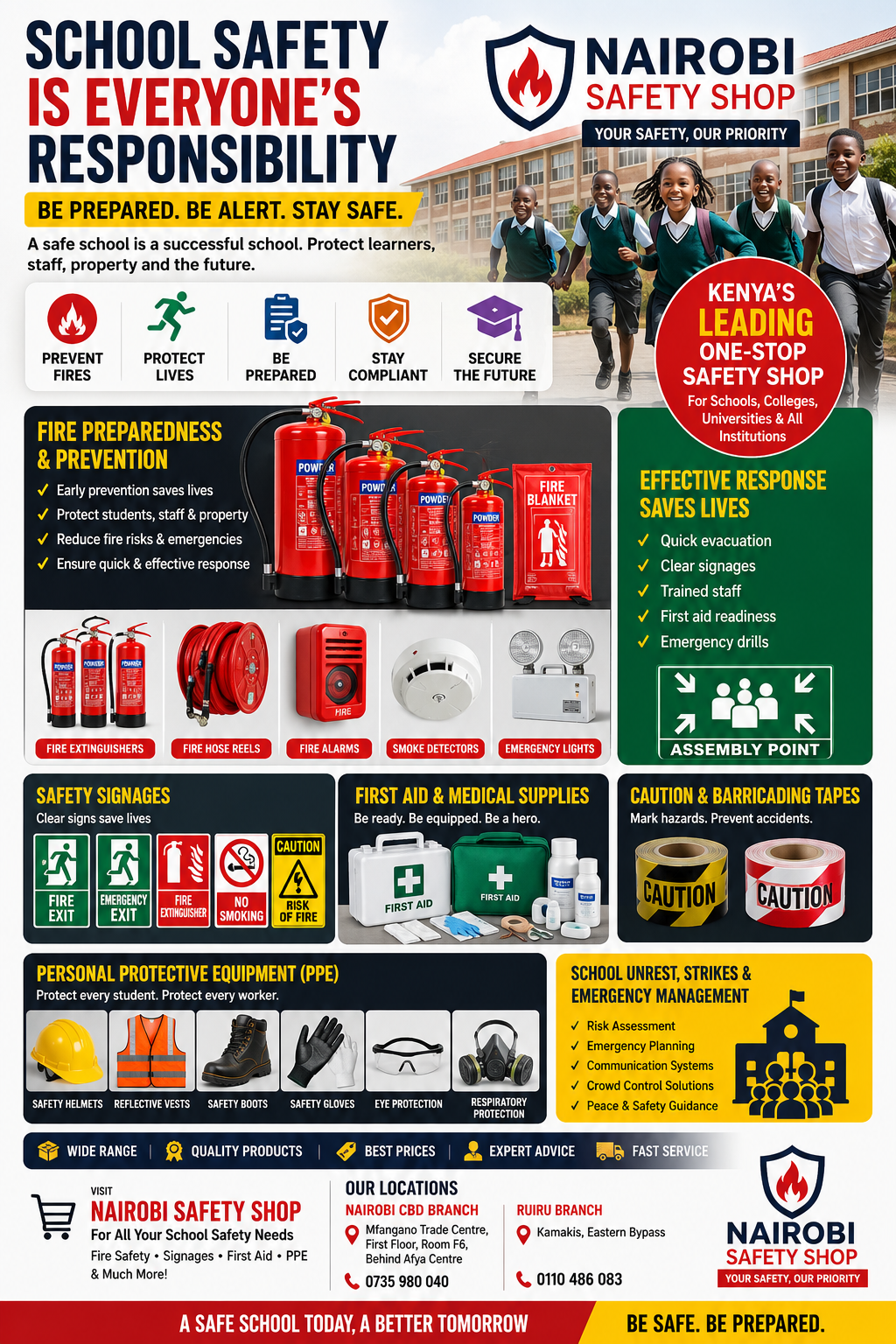
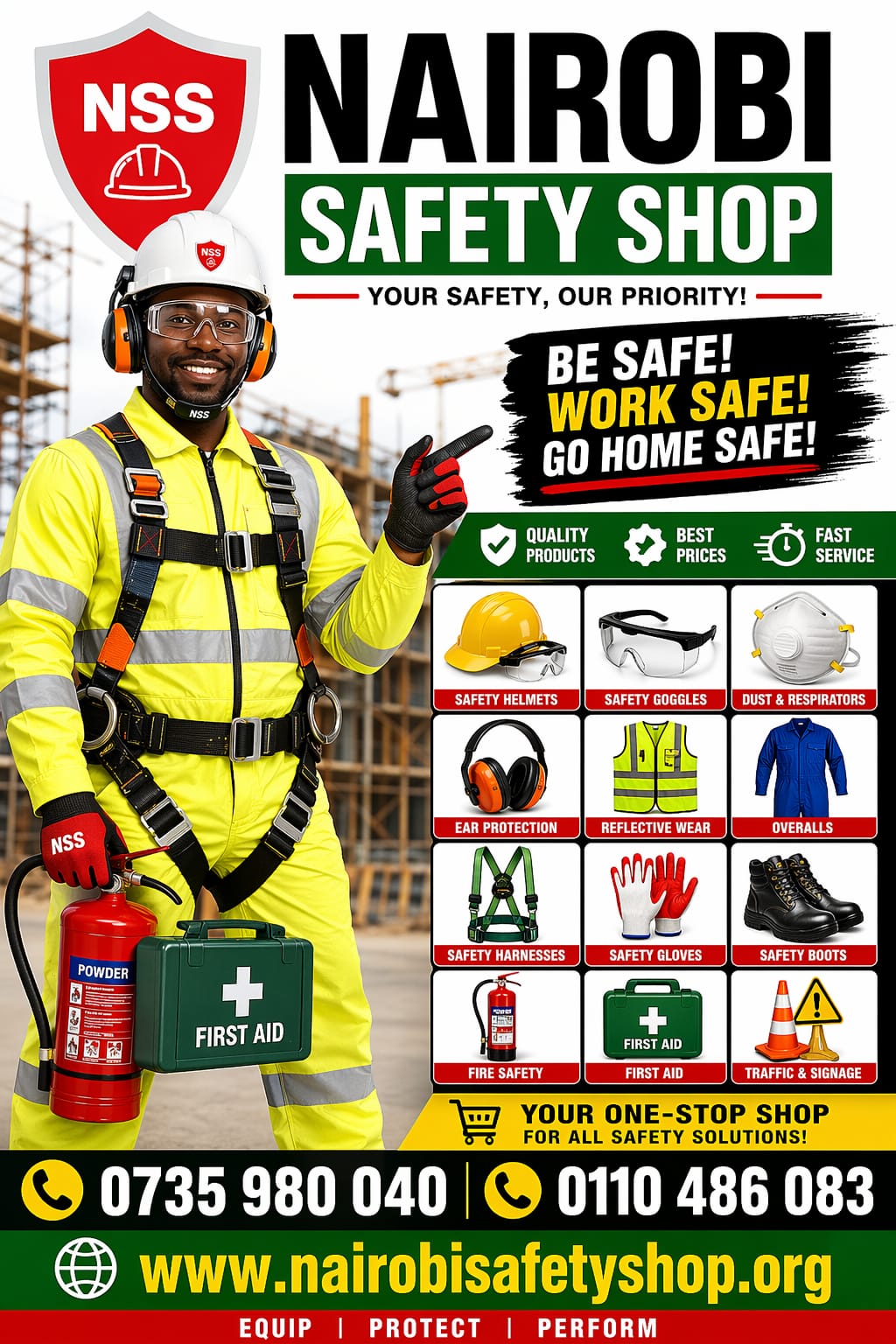
As a safety advocate, keynote speaker, NEBOSH HSE Leadership Excellence–certified practitioner, and Founder of Makinika Afrika International, Nairobi Safety Shop, Nairobi Safety House, and the Ambassador of Safety School Programs, my mission has always been consistent: To help build a culture of safety that outlives us.
This extensive guide brings together insights, strategies, and actionable frameworks to strengthen your safety leadership for a changing world. It is designed for CEOs, safety directors, consultants, auditors, supervisors, and upcoming professionals looking for clarity, direction, and a future-proof strategy.
1. The Changing Landscape of Safety: Are We Ready for the Next Era?
The profession is at a crossroads. New risks are emerging faster than institutions can update their policies. Climate-related hazards—flash floods, violent winds, extreme heat, and freezing temperatures—are redefining workplace preparedness. Global supply chains are fragile. Remote working brings its own psychological and ergonomic risks. Public expectations are rising.
The question becomes: Is the profession ready for the speed of change?
Example
A Kenyan construction firm had to shut down a major project twice within one quarter due to sudden political riots and stormy floods. Traditional risk assessments never predicted such frequency. Leadership was forced to redesign its entire emergency action plan around climate-sensitive triggers.
Complacency is now a hazard.
Commitment
Begin treating environmental unpredictability as a core business risk, not an exception.
“Safety leadership must evolve as fast as the threats evolve.”
Working Formula
Risk Forecasting = (Data Trends + Environmental Intelligence + Predictive Modelling).
Strategy
Embed climate-risk simulations into annual safety planning.
Change is not the enemy. Unpreparedness is.
2. The Skills Shortage & The Incoming Generation: The Talent Gap Is Real
The profession continues to debate the widening gap between seasoned experts and a new generation still finding its footing. Retirements are accelerating. Young professionals lack exposure. Many organisations have not created mentorship pipelines.
We cannot depend on chance to produce the next generation of leaders.
Example
In several African safety forums, employers report hiring graduates who know theory but cannot convert legislation into practical workplace systems—leading to slow adoption and costly mistakes.
Knowledge without mentorship is a half-built bridge.
Commitment
Establish developmental pathways that combine technical skills, leadership exposure, and real-world application.
“Grow leaders, not just employees.”
Working Formula
Capacity Building = Knowledge + Coaching + Practical Immersion.
Strategy
Pair every new safety officer with a senior mentor for six months.
Talent is not found—it is cultivated.
3. Soft Skills: The New Currency of Safety Leadership
Technical skills matter, but modern safety leaders must master influence, communication, negotiation, and executive presence. The boardroom listens differently today. The CEO cares about business continuity. The CFO cares about return on investment. The HR director cares about mental health. Bridging these worlds requires emotional intelligence and strategic communication.
Example
At a manufacturing company in Nairobi, safety upgrades stalled for fourteen months until a safety manager reframed his proposal using cost-benefit logic and storytelling, reducing resistance and earning approval.
Authority no longer wins hearts—clarity does.
Commitment
Invest consistently in soft-skill development.
“Speak safety in the language of leadership.”
Working Formula
Influence = Messaging + Timing + Understanding Your Audience.
Strategy
Prepare safety presentations using narrative frameworks, not technical jargon alone.
When you communicate vividly, you lead powerfully.
4. Legislation, Compliance & The Legal Future of Safety in an AI World
Legislation remains the bedrock of the profession. Yet applying complex regulatory requirements requires critical thinking, awareness of emerging law, and the ability to translate statutes into daily culture.
Artificial intelligence is creating a new legal frontier. Safety professionals must understand the implications of automated monitoring, biometric systems, surveillance analytics, and compliance automation.
Example
A company in the energy sector faced legal challenges when AI-generated reports were used as evidence during compliance audits. The safety officer had never validated whether the AI tool met legal admissibility standards.
Technology is only safe when governed correctly.
Commitment
Stay updated with global safety frameworks and AI-related compliance guidelines.
“Regulation is protection, not limitation.”
Working Formula
Compliance = Awareness + Interpretation + Implementation.
Strategy
Conduct biannual regulatory review sessions.
Legal literacy is professional armor.
5. ROI & The Business Case for Safety: Proving Value Beyond Compliance
Leaders increasingly ask: What is the return on investment?
Safety today is a business strategy, not a department. Financial directors want numbers. CEOs want continuity. Boards want resilience.
Example
A Nairobi logistics company implemented digital fleet monitoring that reduced accidents by 35% and insurance premiums by 18% in one year. The safety manager presented these results to the board, earning budget approval for training programs.
When you quantify safety, leadership listens.
Commitment
Document results, measure reductions, and show economic impact.
“Safety pays when leaders see the numbers.”
Working Formula
ROI = Savings + Productivity + Risk Reduction.
Strategy
Use dashboards to track near-miss reductions and financial savings.
Safety is not an expense—it is an investment.
6. AI, Big Data & The Digital Transformation of Safety
Technology is progressing at a pace never seen before. Automation, sensors, drones, AI-enabled inspections, predictive analytics, and real-time monitoring are rewriting the future of risk management. Failure to adopt will leave many behind.
Example
A multinational plant in South Africa used AI to analyse worker movement in high-risk zones. Near-misses dropped by 42%, proving that data can prevent harm before harm occurs.
Data is the new PPE.
Commitment
Integrate digital tools into your safety systems.
“Harness technology, prevent tragedy.”
Working Formula
Smart Safety = Sensors + Data + Interpretation + Action.
Strategy
Pilot one AI-supported tool in every major department.
When you embrace the digital shift, you lead the future.
7. Mental Health: Beyond Fruit Bowls & Yoga Mats
The profession has reached saturation in superficial wellbeing programs. Workers face rising anxiety, depression, burnout, and stress. A genuine framework for mental health requires more than smoothies and posters—it demands system-level thinking.
Example
A large office in Nairobi discovered most absenteeism stemmed from unrealistic workloads and poor communication—not lack of wellness activities. When systems changed, stress-related cases dropped.
Wellbeing is not decoration—it is design.
Commitment
Create psychologically safe workplaces grounded in real policies.
“Treat health like safety.”
Working Formula
Wellbeing = Systems + Empathy + Data.
Strategy
Use anonymous digital surveys to track employee stress indicators.
Strong minds build strong teams.
8. Human Factors, Fatigue & A Less-Tolerant Public
Modern society is overstimulated and under-rested. Workers are distracted, fatigued, impatient, and often overwhelmed. Combine this with a public less tolerant of mistakes, and the risk landscape becomes volatile.
Example
Transport accidents have risen sharply due to fatigue and mental overload. Human error is no longer a mystery—it is predictable.
Human error is a system issue, not a character flaw.
Commitment
Redesign work rhythms to reduce overload.
“People first, systems second, outcomes third.”
Working Formula
Human Factors = Capacity + Workload + Environment.
Strategy
Implement fatigue-risk management plans.
Care for people, and safety will follow.
9. Suicide Awareness & the Emotional Frontier of Safety
A new global standard on suicide awareness highlights the connection between workplace systems and psychological harm. This is the next frontier of safety—emotionally intelligent risk management.
Example
A global tech firm reduced suicide attempts by training supervisors to recognise micro-indicators of emotional decline.
Silence is deadly.
Commitment
Normalise conversations around mental health.
“Safety protects the body; compassion protects the soul.”
Working Formula
Emotional Safety = Awareness + Intervention + Referral.
Strategy
Train managers in early-warning emotional pattern recognition.
A conversation can save a life.
10. My Mission and Initiatives: Building a Culture of Safety Across Africa
Across Kenya, Africa and beyond, my work focuses on strengthening communities, organisations, schools, churches and workplaces with practical safety knowledge and life-changing interventions.
Through:
• Makinika Afrika International – the leading provider of high-impact safety training across Kenya and Africa
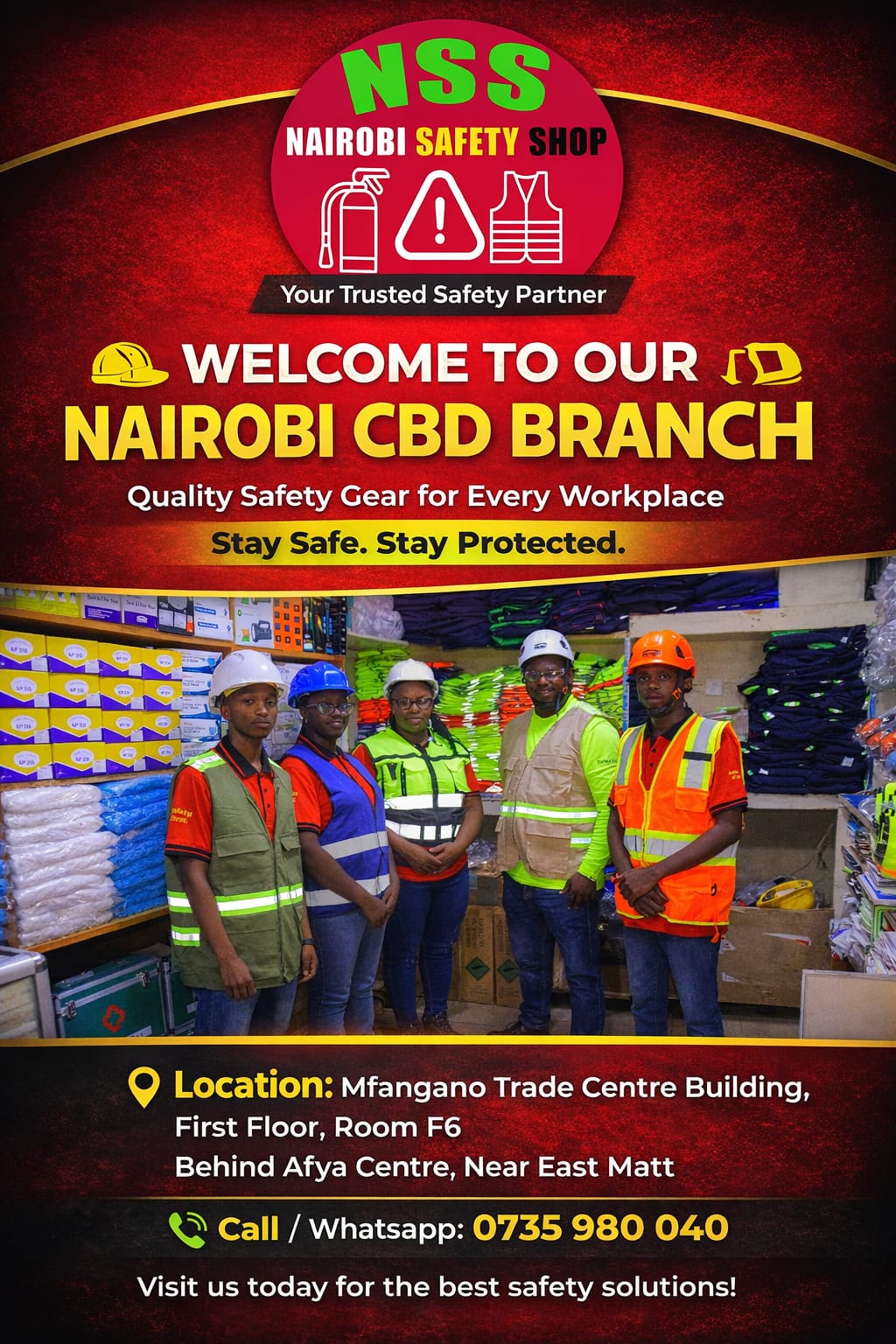
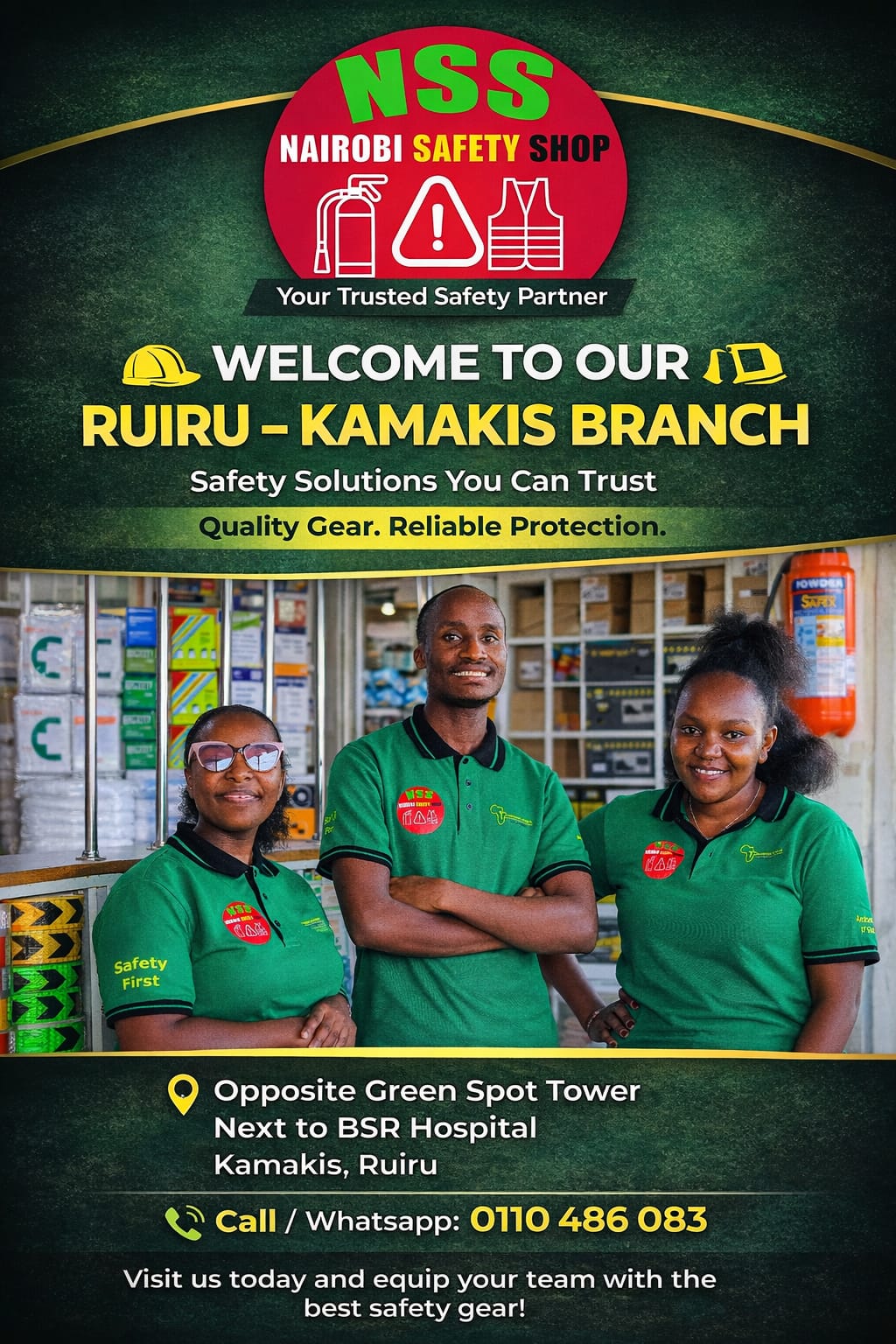
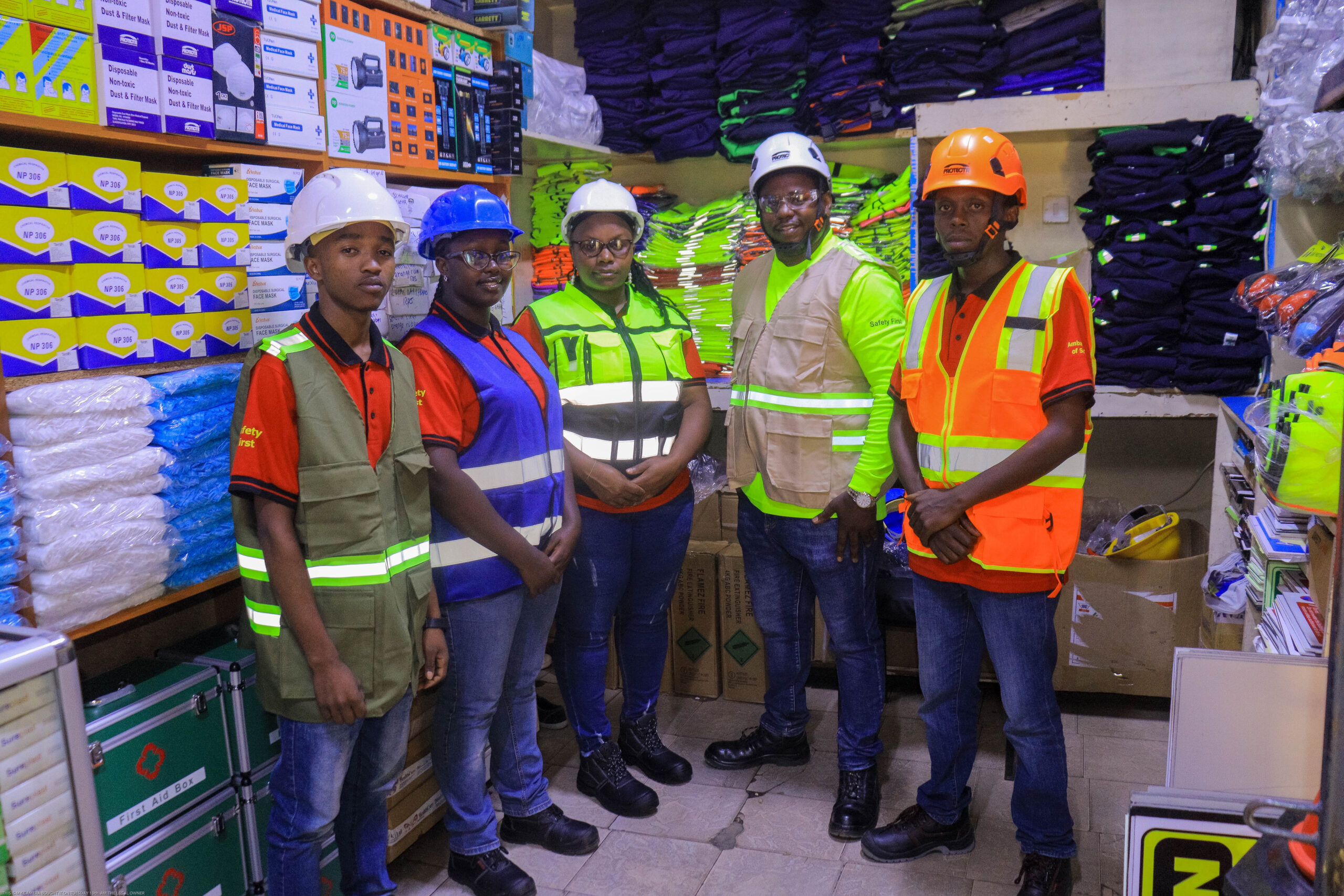
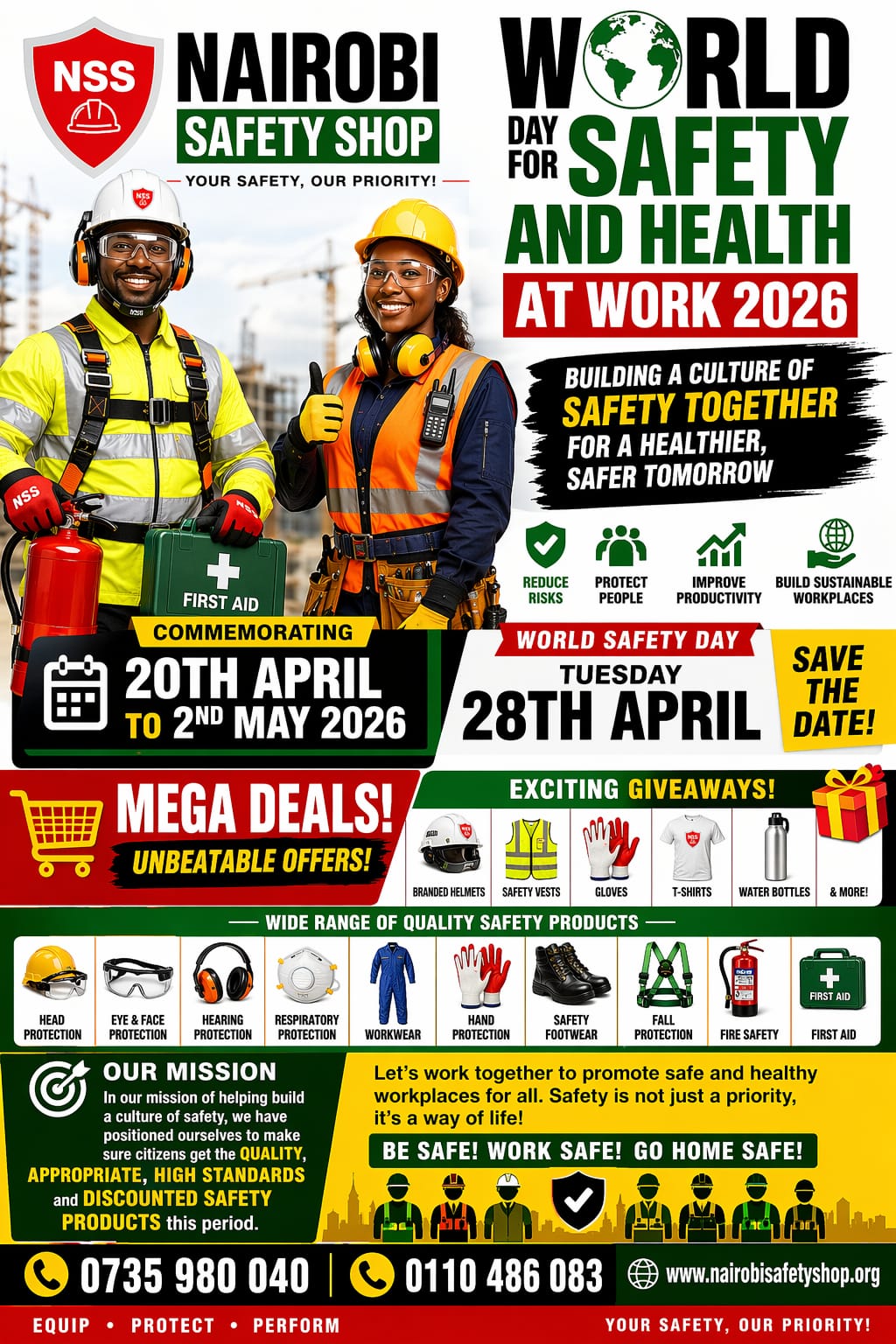
• Nairobi Safety Shop & Nairobi Safety House – hubs for compliant, modern safety equipment
• Ambassador of Safety School Programs – shaping safety culture from early childhood
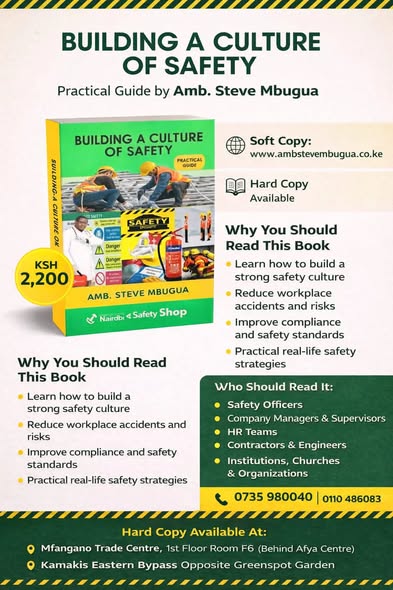
• Building a Culture of Safety (Book) – a practical guide transforming mindsets
Thousands have been trained, empowered, equipped and transformed.
11. Call to Action: Join Hands in Building a Culture of Safety
The future depends on collective leadership. Safety is not one person’s job—it is everyone’s mission. The world is changing; risks are evolving; technology is advancing. This is the moment to rise, collaborate and lead.
Let us create workplaces where every worker returns home safely.
Let us champion mental strength, physical wellbeing, and organisational resilience.
Let us build systems that honour human life.
Let us prepare the next generation.
Together, we can build a culture of safety that shapes Africa and the world.
Contact & Engagement
To invite me for conferences, institutions, corporate trainings, global forums or keynote sessions:
Website: www.ambstevembugua.co.ke
Email: info@ambstevembugua.co.ke
WhatsApp: +254 724 036 078